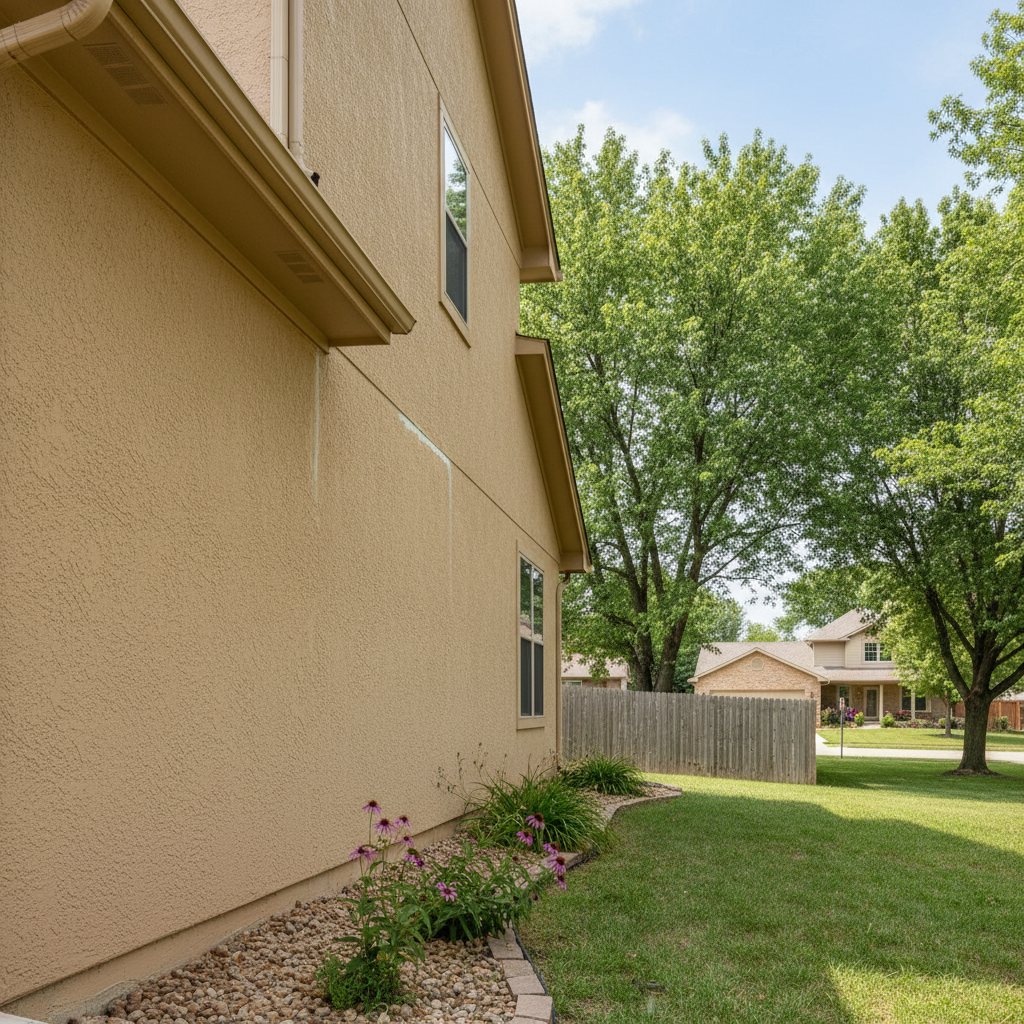
Stucco's a great exterior finish, no doubt about it. It's tough, looks good, and really stands up to our wild Kansas weather — everything from those scorching summer days to the icy winter winds. But when it needs fixing, I've noticed a lot of folks here in Wichita make some pretty common blunders. These can turn what should be a simple repair into a huge headache. I've seen it happen countless times, and honestly, I want to help you steer clear of those same regrets.
Mistake #1: Ignoring Small Cracks or Damage
This one's probably the biggest culprit. You spot a hairline crack, maybe a little chip near the foundation, and you think, "Oh, that's just cosmetic. I'll get to it later." Well, "later" all too often means a whole lot more damage. Stucco acts as a barrier, right? Once that barrier gets a hole, water can sneak in. And once water's inside, especially with our freeze-thaw cycles here in the Midwest, that tiny crack just keeps growing. Next thing you know, you've got efflorescence, bigger cracks, delamination, and eventually, rot in the sheathing underneath. What could've been a quick, inexpensive patch job suddenly turns into needing a whole section replaced. Don't wait around. If you see something, deal with it.
Mistake #2: Hiring the Cheapest Bid Without Due Diligence
I totally get it; everyone wants to save a buck. But when it comes to stucco repair, the cheapest bid almost never ends up being the best. I've watched homeowners jump on a low price, only to discover the "contractor" was some fly-by-night operation. They use cheap materials, don't prep the surface properly, or even worse, they don't know the first thing about applying or repairing stucco correctly. You end up with a repair that fails within a year, looks awful, and you're right back where you started — often paying more to fix the botched job than you would've for a quality repair in the first place. Ask for references, check their licensing and insurance, and take a look at their past work. A good stucco contractor, like us at Wichita Stucco & Plastering, will be upfront about their process and the materials they use.
Mistake #3: Not Understanding the Cause of the Damage
This really goes hand-in-hand with ignoring those small cracks. Sometimes, a crack isn't just a crack. It's a symptom. Is it because the house is settling? Is water getting in from a leaky gutter? Or is it a flashing problem around a window? If you just patch the crack without fixing the root cause, that crack is coming right back, I guarantee it. A reputable contractor will dig into why the damage happened. They'll check your drainage, your gutters, your flashing, even the landscaping around your foundation. For instance, if you've got flower beds jammed right up against your stucco in a neighborhood like Riverside, and water's constantly wicking up, that's a problem that needs fixing alongside the stucco itself.
Mistake #4: DIYing Complex Repairs
For a tiny, surface-level hairline crack, sure, you might be able to tackle it yourself with a tube of caulk. But anything beyond that? You're probably getting into territory that needs specific tools, materials, and real expertise. Stucco isn't just plain cement. It's a multi-layered system, carefully designed to shed water and protect your home. Getting the mix just right, applying it correctly, matching textures and colors – it's both an art and a science. I've seen plenty of DIY repairs that stick out like a sore thumb, or worse, they actually trap water behind them because they weren't done properly. You wouldn't try to rewire your entire house after watching a YouTube video, would you? Treat your stucco with that same level of respect.
Mistake #5: Not Getting a Clear Scope of Work
Before any work even begins, you absolutely need to know exactly what's going to happen. Which areas are getting repaired? What materials will they use? How will they prep the surface? What's the timeline? What kind of warranty do they offer? If a contractor gives you a vague estimate or can't clearly explain the process, that's a big red flag. You want a detailed proposal so there are no surprises down the road. This protects both you and the contractor, which is only fair.
Look, your home is probably your biggest investment. Don't cut corners when it comes to keeping its exterior in good shape. A proper stucco repair protects your home, keeps its value up, and looks good for years to come. Do your homework, ask the right questions, and don't settle for anything less than quality work.